Astrology has long been a cornerstone of Indian society, deeply embedded in cultural practices, particularly those surrounding love and marriage. As we approach 2025, astrology trends are transforming how Indians perceive and navigate relationships. This evolution is not merely about maintaining tradition but adapting it to meet the needs of an increasingly globalized and tech-savvy generation. By examining the intersection of ancient wisdom and modern sensibilities, we uncover how astrology continues to influence one of life’s mot profound experiences—love and marriage.
In this article, we delve into the ways astrology trends are reshaping the future of love and redefining Indian marriage traditions, blending time-honored customs with contemporary aspirations. Whether through personalized horoscopes or advanced algorithms predicting compatibility, astrology remains a powerful force in shaping personal decisions.
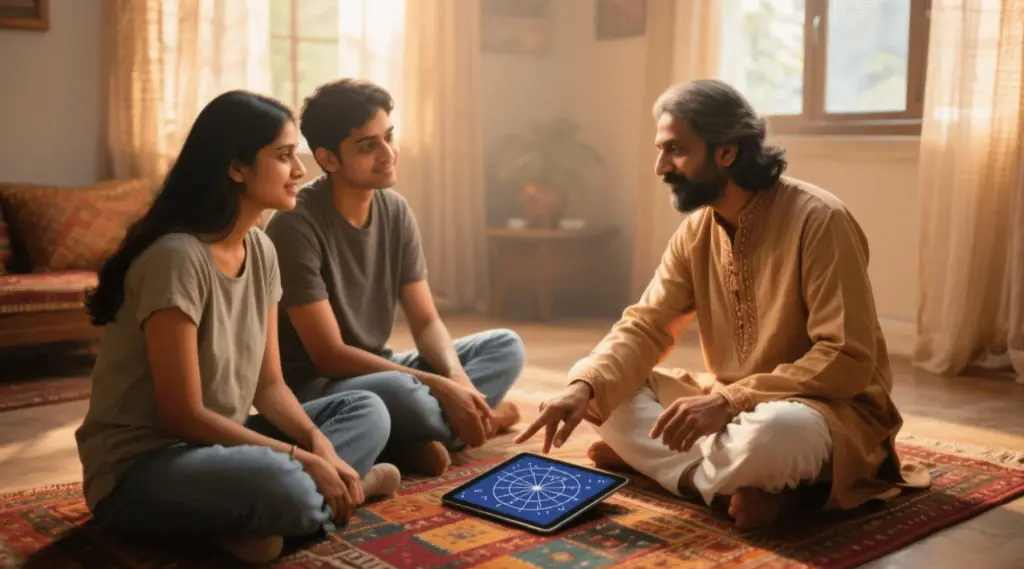
For centuries, astrology has played a pivotal role in Indian marriage traditions, influencing everything from choosing auspicious dates for ceremonies to determining partner compatibility based on zodiac signs. Today, however its reach extends beyond traditional matchmaking to include self-discovery, career counseling, and even mental health support. Younger generations, while embracing globalization, still hold onto astrology as a source of identity and guidance.
This shift reflects broader societal changes where individuals seek validation and clarity in their choices. For instance, millennials often consult astrologers before making significant life decisions, including entering into serious relationships. A study conducted by the National Institute of Vedic Sciences (NIVS) found that over 70% of young adults in urban areas rely on astrology when evaluating potential partners. Such statistics underscore the enduring appeal of astrology in shaping modern relationships.
Historically, Indian marriage traditions were heavily reliant on family arrangements supported by astrological charts. However, today's youth prioritize emotional connection alongside astrological compatibility. This hybrid approach allows couples to honor cultural heritage without sacrificing individual autonomy.
A notable example of this trend is the emergence of apps like "AstroMatch" and "JyotishConnect," which combine traditional astrological principles with cutting-edge technology. These platforms use AI-driven algorithms to analyze birth charts and suggest compatible matches, appealing to both traditionalists and tech enthusiasts.
By 2025, the future of love in India will likely be characterized by greater reliance on astrology to enhance relationship quality. Instead of being seen as restrictive, astrology may become a tool for fostering deeper understanding between partners. Concepts such as "kundli matching" could evolve to incorporate elements like personality traits, communication styles, and shared values, providing a more holistic view of compatibility.
One emerging trend is the growing interest in transits and planetary movements as indicators of relationship phases. Individuals might consult astrologers during challenging times to gain insight into resolving conflicts or strengthening bonds. Additionally, there is increasing awareness of synastry—the study of how two people's planets interact—which offers nuanced perspectives on partnership dynamics.
According to a survey by MyPandit.com, requests for synastry reports have increased by 150% over the past three years, indicating heightened curiosity about astrological influences on relationships. Below is a simplified breakdown of user demographics:
| Age Group | Percentage Using Synastry Reports |
|---|---|
| 18–25 | 35% |
| 26–35 | 45% |
| 36–45 | 15% |
| 46+ | 5% |
This data highlights the predominance of younger users who actively engage with astrology to guide their romantic lives.
The fusion of technology and astrology represents another critical aspect of astrology trends in 2025. Mobile applications, online consultations, and virtual seminars enable wider access to astrological knowledge, democratizing what was once considered an elite practice. Moreover, advancements in artificial intelligence allow for precise calculations of planetary positions, ensuring accuracy in predictions.
Digital tools offer several advantages, including convenience, affordability, and anonymity. Users can now receive tailored advice from certified astrologers without leaving their homes, breaking down geographical barriers. Furthermore, these platforms frequently update their databases with real-time astronomical data, enhancing reliability.
Consider the case of "AstroScope Pro," an app that generates daily horoscopes customized to each user's unique natal chart. By leveraging machine learning, the app provides actionable insights into various aspects of life, including love and relationships. Feedback from users indicates high satisfaction rates, with many reporting improved decision-making abilities.
Despite its widespread acceptance, astrology faces certain challenges in aligning with modern values. Critics argue that excessive dependence on astrology might hinder independent thinking and problem-solving skills. Others worry about misinformation spreading due to unqualified practitioners operating online.
However, these concerns also present opportunities for growth. Educating users about credible sources and promoting ethical standards within the industry can help mitigate risks. Additionally, collaborations between scientists and astrologers could lead to innovative approaches that bridge gaps between empirical evidence and spiritual beliefs.
To address misconceptions, organizations like the International Council of Vedic Astrology (ICVA) advocate for transparency and accountability in astrological services. They emphasize that astrology should complement rather than replace rational judgment, encouraging users to make informed decisions.
Here are some common queries related to astrology and relationships:
Providing clear answers to such questions helps build trust and fosters healthier engagement with astrology.
As we look ahead to 2025, it becomes evident that astrology trends will continue to play a transformative role in shaping the future of love and reinterpreting Indian marriage traditions. While preserving cultural roots, astrology adapts to contemporary realities, offering practical solutions for navigating complex relationships. Through thoughtful integration of technology and education, we can ensure that astrology remains a valuable resource for generations to come.
Arjun Kapoor
|
2025.05.27


